
In the ever-evolving landscape of digital marketing, social media algorithms can often feel like a black box. For content creators and webmasters looking to drive consistent, high-quality traffic to their monetized websites, understanding the mechanics of platforms like Facebook is no longer optional—it is the foundation of a profitable business.
Whether you are managing a niche community or overseeing massive pages with 50,000 to 60,000 followers targeting top-tier demographics like a US-based audience, the rules of engagement have fundamentally shifted. Gone are the days when simply dropping a link into a post would generate thousands of clicks. Today, social media algorithms prioritize user retention, meaningful interactions, and authentic content above all else.
In this comprehensive guide, we will dissect the current state of social recommendation algorithms and outline actionable strategies—ranging from deep emotional storytelling to clever engagement triggers—that will help you successfully convert social reach into highly profitable website traffic.
1. Decoding the Social Recommendation Engine
To succeed on social platforms in 2026, you must first understand what the algorithm actually wants. Platforms like Meta (Facebook) are designed to keep users scrolling within their ecosystem for as long as possible. When you post a direct link to an external website (like a WordPress blog), the algorithm naturally restricts the organic reach of that post because it acts as an exit point from the platform.

According to insights from Meta’s Official Creator Hub, content that sparks active conversations and prolonged viewing times is heavily favored. This means your primary goal as a creator is not just to share a link, but to build an immersive experience around that link. The algorithm measures “dwell time” (how long someone stops to read your post) and “meaningful social interactions” (comments and shares). If your post can hold a reader’s attention, the algorithm will push it to the broader recommendation feed, ignoring the penalty usually associated with external links.
2. The Power of Long-Form Emotional Storytelling
One of the most effective ways to increase dwell time and bypass algorithmic penalties is through long-form storytelling. Modern audiences suffer from extreme content fatigue; they quickly scroll past generic updates and promotional banners. However, human beings are hardwired to respond to emotional, well-crafted narratives.
When crafting narrative scripts for your social media pages, aim for depth. Instead of writing a brief summary, develop immersive stories that fully capture the reader’s imagination. A highly effective format involves long, emotional stories that require serious investment from the reader. If you can hook a user into a deeply engaging narrative, their dwell time skyrockets.
The structure of these stories is critical. They should feature relatable characters, high emotional stakes, and a clear narrative arc. By providing massive value upfront through entertainment, you build a foundation of trust with your audience. When they finally encounter your call-to-action, they are significantly more likely to click through to your website because they are already invested in the content.
3. Strategic Link Placement: The Middle-Insert Rule
The most common mistake webmasters make when trying to drive traffic is placing their external link at the very bottom of a long post, often accompanied by spammy trigger words like “Attention!” or “Click Here!”
Algorithms have become incredibly sophisticated at detecting these specific trigger words and penalizing the post’s reach. Furthermore, if you place the link at the very end of a long story (e.g., “The full story is in the first comment” or at the bottom of the text), a large percentage of readers will drop off before they even see it.
The professional solution is the Middle-Insert Rule. Weave your text-link seamlessly into the middle of the narrative. Do not use capitalized, urgent introductory phrases. Instead, make the transition natural. By placing the link higher up in the text—right at the peak of the story’s rising action—you capture the highest volume of engaged readers before their attention naturally wanes. This technique dramatically increases your Click-Through Rate (CTR) while avoiding algorithmic spam filters.
4. Driving Engagement with Logic Puzzles and Visual Hooks
While storytelling is perfect for deep engagement, you also need top-of-the-funnel strategies to trigger immediate algorithmic spikes. One of the most successful methods for doing this is through interactive visual content, specifically logic puzzles and matchstick math graphics.
Human psychology dictates that people love to solve problems and correct mistakes. By designing and posting a simple matchstick equation graphic that challenges the audience, you instantly generate a massive volume of comments. Users will debate the answer, share the puzzle with their friends, and spend a significant amount of time analyzing the image.

This hyper-engagement sends a massive positive signal to the algorithm. Once the puzzle post achieves high organic reach, you can leverage that momentum to drive traffic to your external websites, either by linking to the solution on your blog or using the engaged audience to boost subsequent link-oriented posts. For deeper insights into visual engagement metrics, resources like the HubSpot Marketing Library offer excellent data on interactive content performance.
5. Audience Localization and Analytics
Finally, monetizing traffic effectively requires a deep understanding of who is clicking your links. If your goal is to maximize AdSense revenue, your primary focus should be on high-CPC (Cost Per Click) regions, such as the United States.
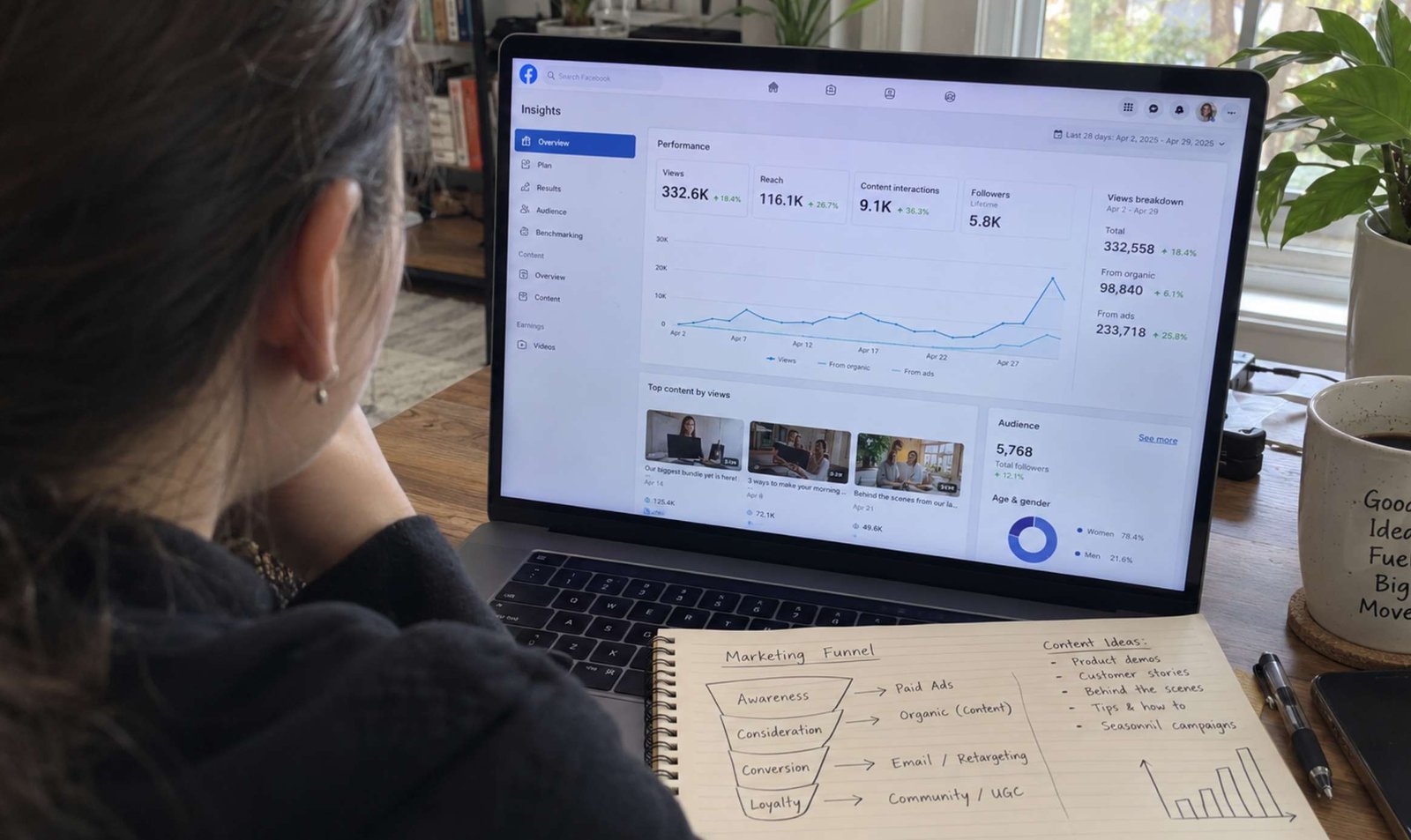
When analyzing your page-to-site traffic conversion, utilize tools like Google Analytics in tandem with Facebook Insights. Track which specific stories and puzzle formats resonate most with your US-based followers. Tailor your cultural references, vocabulary, and posting times to align with this specific demographic. A page with 50,000 highly engaged US followers will generate significantly more revenue than a page with a million followers from low-CPC regions.
Conclusion
Growing a social media presence and successfully funneling that audience to a monetized website is an art that requires constant adaptation. By moving away from basic link-sharing and embracing long-form emotional storytelling, strategic link placement, and interactive visual puzzles, you can effectively bypass algorithmic limitations. Remember: provide immense value on the platform first, seamlessly integrate your external links without spamming, and let the algorithm do the heavy lifting for you.